- Your cart is empty
- Continue Shopping

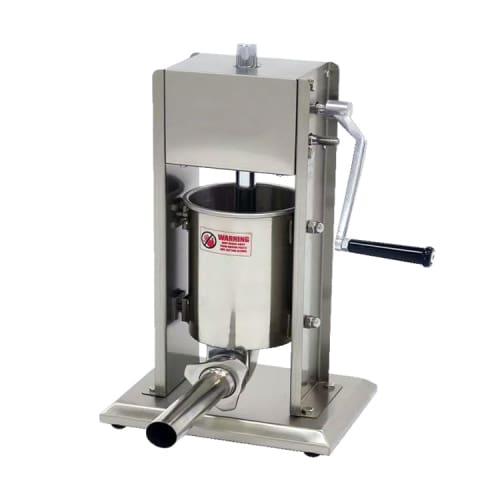
Reliable butchery equipment for your butcher shop, supermarket, restaurant, hotel, or catering business. We supply a wide range of quality butchery machines, including meat mincers, bandsaws, meat slicers, sausage fillers, bowl cutters, and more. Whether you are starting a new butchery or upgrading your equipment, our range helps you prepare and process meat efficiently.
Everything you need under one roof
We offer professional installation
Get the best value for your money
We are here when you need us
Deliver everywhere in South Africa
Keep your equipment running
Quality equipment for butcheries
Reliable equipment for retail stores
Durable equipment for hotels & hospitality
Efficient equipment for restaurants & cafes
Wedoall supplies a range of butchery equipment, including meat mincers, bandsaws, meat slicers, sausage fillers, and bowl cutters. These machines support different stages of meat preparation and processing. The right combination depends on your business size, the products you prepare, and how much meat you need to process each day.
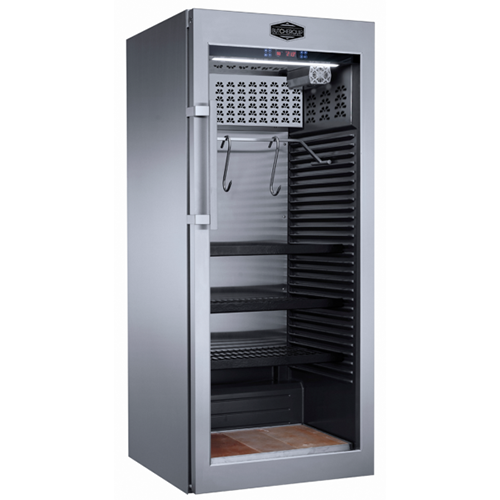
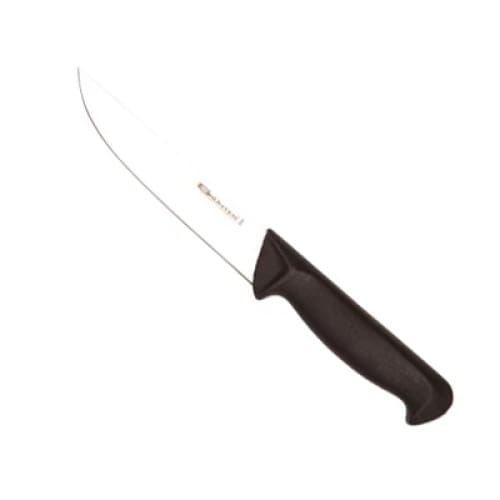
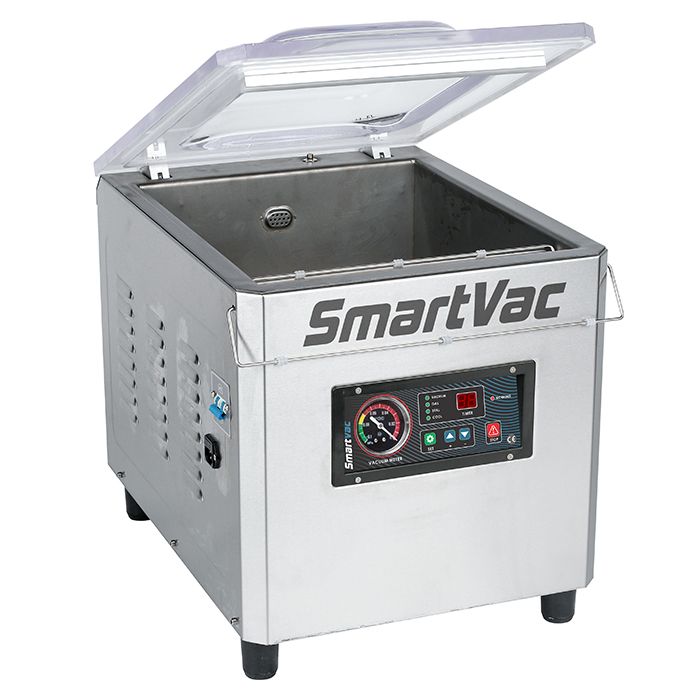
Starting a butchery typically requires a meat bandsaw, meat mincer, refrigerated display cabinet, suitable cold storage, cutting tables, knives, and weighing scales. You may also need a sausage filler and packaging equipment. Plan your setup around your product range, expected daily sales, available space, and budget for essential equipment.
Choose a meat mincer based on your daily processing volume, required output per hour, and the types of meat you handle. Check its motor specifications, plate options, cleaning requirements, and power supply. A machine with suitable capacity can help you manage busy periods without regularly operating beyond its recommended limits.
A meat bandsaw is used to cut meat and bone into portions, making it useful for preparing chops, steaks, and other cuts. Some models handle frozen products, while others have different limitations. Check the manufacturer’s specifications, cutting capacity, blade requirements, and safety features before choosing a machine for your business.
Yes, butchery equipment can be used in restaurants, supermarkets, hotels, catering kitchens, and meat-processing businesses. Meat mincers, slicers, and sausage fillers can support in-house preparation and portion control. Choose equipment that matches your production volume, available workspace, power supply, and the specific meat products you intend to prepare and sell.
The correct option depends on the machine’s electrical requirements and the power available at your premises. Butchery equipment may require single-phase or three-phase electricity, depending on the model. Always confirm voltage, phase, and installation requirements before purchasing. A qualified electrician can assess whether your existing supply supports the equipment safely.
To make sausages, you will generally need a meat mincer, suitable mixing equipment, and a sausage filler. You will also need casings, ingredients, and appropriate refrigerated storage. Choose machine capacities according to your batch sizes and production targets, with attention to cleaning access and compatibility with your intended sausage products.
Clean butchery equipment according to the manufacturer’s instructions, disconnecting electrical power before dismantling or cleaning. Remove detachable food-contact parts where directed, wash away residue, and use suitable cleaning and sanitising products. Avoid immersing electrical components in water. Allow parts to dry as instructed, then reassemble the machine correctly before use.
Service your butchery equipment at the intervals recommended by its manufacturer, taking usage levels and operating conditions into account. Regular checks can identify worn blades, damaged components, and changes in performance. Arrange professional attention when needed, and avoid using equipment with defective guards, unusual noises, or other signs of malfunction.
Before buying butchery equipment, compare processing capacity, machine dimensions, power requirements, cleaning access, and suitability for your products. Confirm warranty conditions, servicing options, and spare-parts availability with the supplier. Consider your current workload and realistic growth plans so the equipment fits your premises and supports your business as demand increases.